
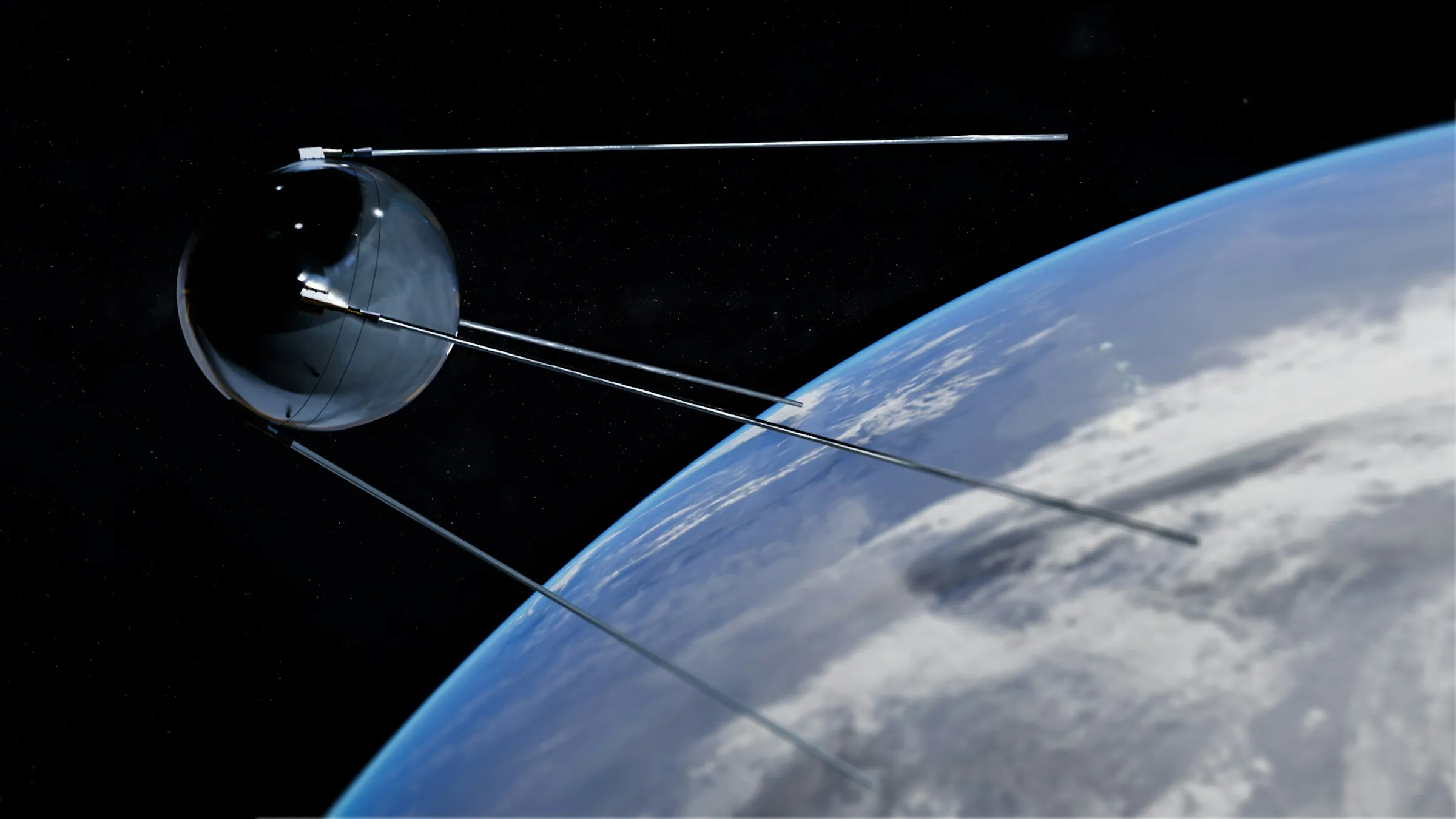
Definition of VLEO (Very Low Earth Orbit)
VLEO, or Very Low Earth Orbit, is a type of satellite orbit at a very low altitude above Earth’s surface, generally below 450 kilometers. This orbit is lower than LEO (Low Earth Orbit), which has been most widely used for communication and Earth observation satellites.
Because it is very close to Earth’s surface, satellites in VLEO have very low delay time (latency) and the ability to send and receive data at high speed. This makes VLEO attractive for modern technology needs, such as real-time communication, environmental monitoring, and the development of next-generation satellite internet systems.
However, the very low position also means VLEO satellites face greater atmospheric drag. Therefore, operating satellites in this orbit requires special technology so they remain stable and can operate optimally. Even so, VLEO is seen as a new breakthrough in the development of future satellite technology.
Altitude and Characteristics of VLEO Satellite Orbits
VLEO orbits are at very low altitudes, generally in the range of 200 to 450 kilometers above Earth’s surface. At this altitude, satellites are closer to the atmosphere than satellites in LEO orbit. This closeness allows VLEO satellites to produce very low latency and better data transmission quality.
The main characteristics of VLEO orbits are high orbital speed and narrower area coverage. Because they are close to Earth, one VLEO satellite can only reach a relatively small area, so more satellites are needed to cover a wide area. In addition, atmospheric drag that is still felt at this altitude means satellites must be equipped with special technology to maintain orbital stability and fuel efficiency.
With these characteristics, VLEO orbits are highly suitable for needs that demand high speed and real-time response, such as fast data communication, high-resolution Earth observation, and development of next-generation satellite internet services.
Advantages of VLEO Satellites
Satellites operating in VLEO (Very Low Earth Orbit) have several main advantages compared to other satellite orbits. The most prominent advantage is very low latency, because the satellite distance is very close to Earth’s surface. This allows data sending and receiving to happen faster, making it ideal for applications that need real-time response.
In addition, VLEO satellites can provide more stable and sharper signal quality. The close distance means signals do not weaken easily, so data transmission becomes more efficient with a lower level of interference. This condition supports high-speed communication needs, including satellite internet, remote sensing, and real-time data-based monitoring systems.
Another advantage is the efficiency of power and device use. VLEO satellites can generally operate with lower transmitter power than satellites in higher orbits. On the user side, receiving devices can also be made more compact and energy-efficient. This combination makes VLEO an important foundation for developing modern satellite technology that prioritizes speed, efficiency, and service quality.
Benefits of Using VLEO
- Very Low Latency
VLEO satellites are very close to Earth’s surface, so signal travel time becomes much shorter. This condition produces very low latency, making data communication faster and more responsive. This benefit is very important for services that need real-time interaction, such as emergency communication, remote control, and high-speed digital applications.
2. More Detailed Data and Image Quality
The closeness of satellites to Earth allows data and images to be captured at higher resolution. This supports environmental monitoring, area mapping, precision agriculture, and disaster mitigation needs, because the information obtained is more accurate and easier to analyze.
3. Signal Transmission Efficiency
With a shorter orbital distance, the process of sending data from satellites to ground stations becomes more efficient. Signal loss can be minimized, so connection quality is more stable and power consumption in the transmission process becomes lower.
4. More Compact Supporting Devices
VLEO satellite systems allow the use of antennas and supporting devices with smaller sizes compared to satellites in higher orbits. This makes installation easier and supports the development of more practical and flexible communication devices.
5. Supporting Real-Time-Based Services
The combination of low latency and fast data transmission makes VLEO ideal for real-time-based services. Examples include disaster early warning systems, air and maritime traffic monitoring, and emergency communication in remote areas or areas affected by infrastructure disruption.