
The Starlink vs. 5G Connectivity Debate
Amid the demands of today’s era, the technologies frequently discussed are 5G and satellite internet, namely Starlink. Discussing these two often feels like comparing apples and oranges. Clearly, both are brilliant technological solutions, but they are designed to address different challenges.
We often hear that 5G is the future of connectivity. It’s touted as offering super-fast speeds reaching gigabits, while Starlink is seen as an alternative. If 5G is the solution for speed in urban environments, Starlink is the technology that addresses the fundamental need for connectivity wherever you are. It’s not just about speed numbers, but the philosophy of future connectivity.
While 5G Is Tied to Infrastructure, Starlink Breaks Down Geographical Barriers
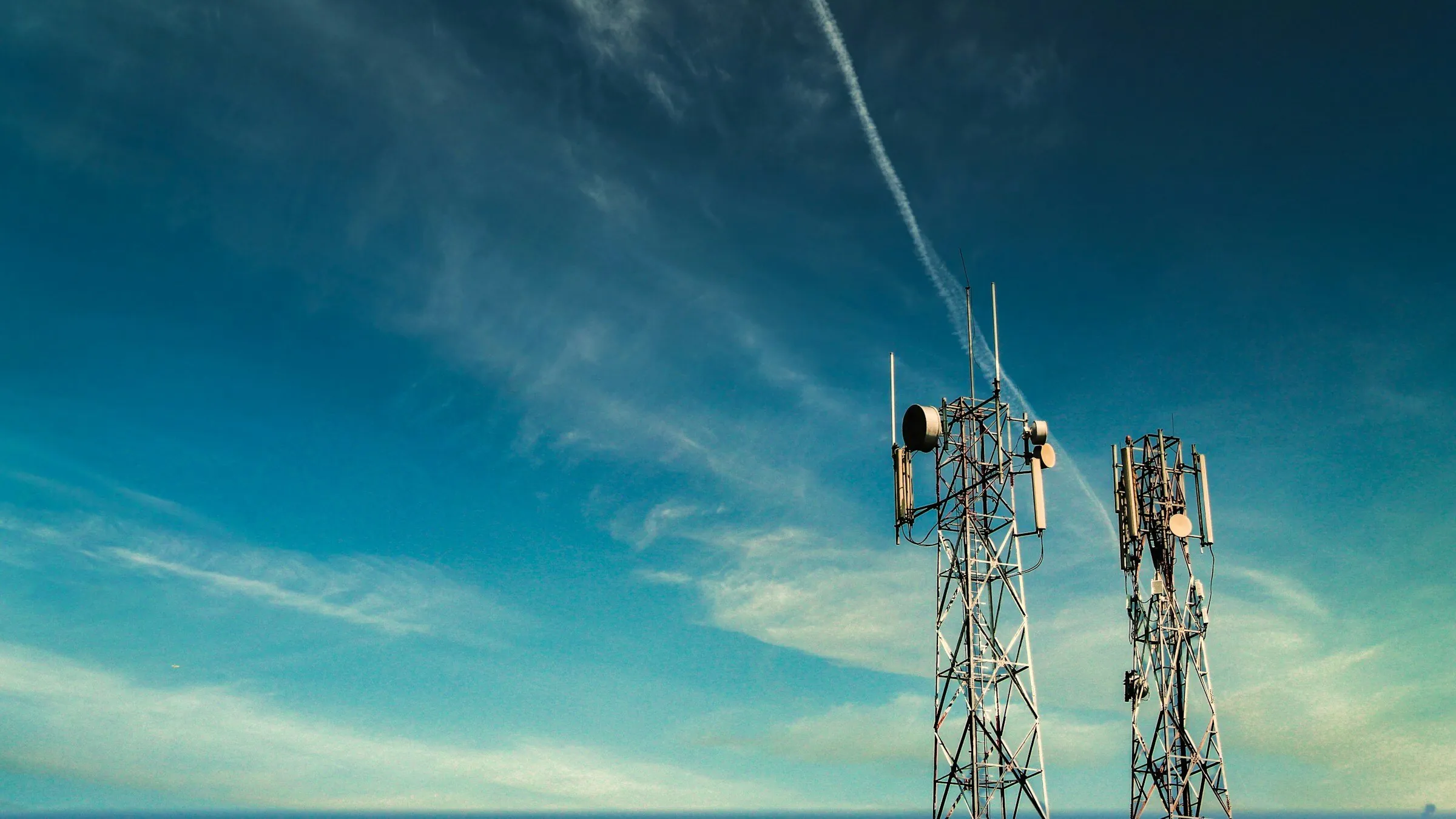
5G’s speed is indeed impressive, but it comes with limitations, particularly regarding the range of radio waves—which are highly sensitive and easily obstructed by buildings and thick walls. Consequently, this technology must be installed every few hundred meters in densely populated areas. This deployment requires massive investment and takes a considerable amount of time. Economically speaking, building 5G networks is particularly challenging for sparsely populated areas or regions with difficult terrain. These limitations are widening the digital divide. Millions of people living in small towns or rural areas struggle to experience 5G speeds. They are cut off from the opportunities offered by high-speed internet. This is where 5G’s greatest limitation lies: it serves as a good solution for the fortunate population but fails to address the challenge of universal connectivity.
While 5G struggles with infrastructure and obstacles, Starlink emerges as the answer to these challenges. Instead of relying on towers, Starlink utilizes satellite technology, so internet connections are no longer tied to expensive and difficult-to-build infrastructure. With its effective operation, users simply need to point the dish antenna toward the sky and will automatically connect to the Starlink satellite in low Earth orbit. This process allows users to access high-speed internet. It works regardless of whether they’re on a mountaintop, in the middle of the ocean, in a disaster zone, or even deep in a dense forest. This service also ensures that children in remote areas can connect with the world. Starlink delivers connectivity that 5G simply cannot offer.
Unmatched Flexibility
Although 5G latency is technically lower, 5G performance can vary significantly depending on network load and distance from the tower. This stability is often difficult to guarantee. Starlink offers more consistent performance across its entire coverage area. With thousands of satellites constantly moving, devices will easily stay connected to the satellite with the best signal. Starlink does require a significant upfront investment to purchase the hardware—the Starlink dish and router. This cost is seen as an investment in connectivity freedom. While Starlink subscription fees are generally higher than 5G data plans, when compared to the value provided, internet access can be life-changing, even in remote areas. Remote work or travel no longer means worrying about losing your connection. To get official Starlink, Indonesians don’t need to worry. Data Lake serves as the official Starlink distributor in Indonesia, ensuring the subscription and installation processes run smoothly—whether for personal, business, or industrial and corporate needs.