
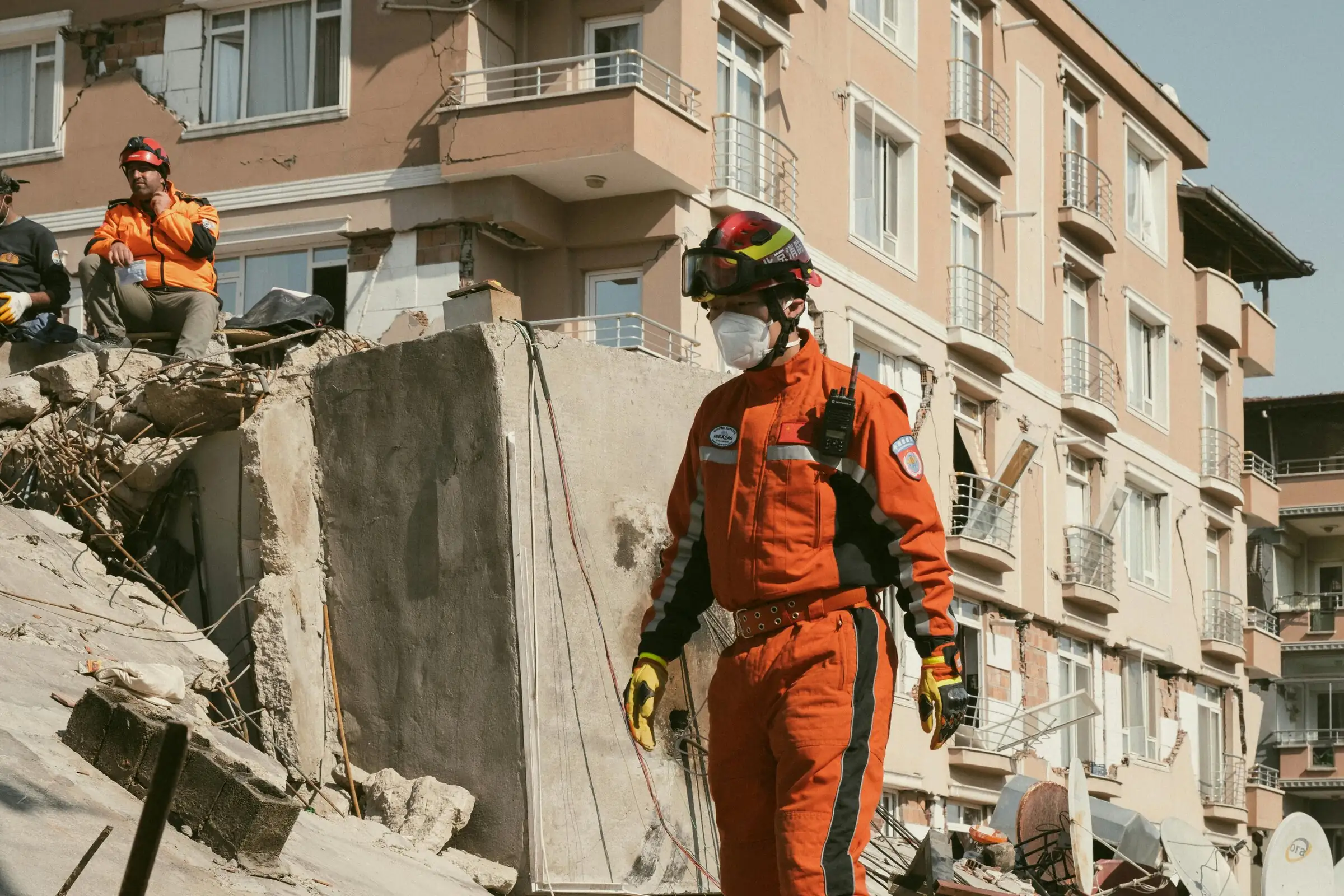
In the aftermath of natural disasters such as earthquakes, floods, or landslides, one of the most critical impacts is the disruption of communication networks. Ground-based infrastructure like fiber optic cables and cellular towers is often damaged, making coordination and aid distribution difficult. In these situations, Starlink emerges as a solution—remaining active and capable of providing satellite-based internet connectivity even when conventional networks are no longer functioning.
Starlink Infrastructure Does Not Depend on Ground Networks
One of the main reasons Starlink continues to operate after a disaster is because its infrastructure does not rely on ground-based networks such as fiber optic cables or local central systems. Starlink uses Low Earth Orbit (LEO) satellites to transmit and receive data directly between user devices and satellites in space.
When disasters like earthquakes, floods, or landslides damage underground cables and telecommunications towers, conventional networks often become completely inoperable. In such conditions, Starlink can still function as long as the device has a power source, since its communication path does not pass through affected ground infrastructure. This makes Starlink a reliable connectivity solution for emergency situations and post-disaster recovery.
How Starlink Internet Works
Starlink internet operates using a large constellation of satellites in Low Earth Orbit (LEO) that continuously circle the Earth. A Starlink dish installed on the ground captures and transmits signals directly to the nearest satellite overhead. Because LEO satellites are much closer to Earth compared to traditional satellites, data transmission is faster and latency is significantly reduced.
Signals from user devices are sent to Starlink satellites, then forwarded to ground stations connected to the global internet network. After processing, the data is sent back through satellites to the user’s dish. This entire process occurs automatically and in real time, without relying on fiber optic cables or cellular towers.
The key advantage of this system is its resilience to ground-level disruptions. As long as the dish and power source are functioning and have a clear view of the sky, Starlink can continue providing internet access even when cables or other ground infrastructure are damaged, such as during natural disasters.
Seamless Communication with Family
After a disaster, one of the most important needs is the ability to stay in touch with family, especially those in distant locations. Starlink makes this possible through its moving LEO satellite constellation, ensuring signals remain available even when local cable networks or cellular towers are down.
With high-speed internet and low latency, users can make calls, send messages, or conduct video calls in real time. Even when other networks fail, Starlink keeps communication channels open, allowing families and emergency teams to exchange critical information without disruption. This makes Starlink a reliable solution for staying connected with loved ones during emergencies.
Choose Starlink as a Critical Connection for Emergency Situations
In emergency scenarios such as natural disasters or large-scale network disruptions, having stable and fast internet connectivity becomes essential. Starlink offers a dependable solution through its LEO satellite constellation, which continues to provide signal even when local infrastructure is damaged or disconnected. This advantage ensures smooth communication for contacting family members, rescue teams, and humanitarian organizations.
To ensure reliable connectivity and official device support, it is recommended to purchase Starlink through Data Lake, an official Starlink partner in Indonesia. Buying through an authorized channel guarantees device authenticity, along with proper technical and after-sales support. For orders and consultations, you can contact sales@datalake.id, ensuring you are prepared for emergency situations with a reliable and secure internet connection.