
Not Dependent on Fiber Optic Infrastructure
One of the main advantages of cable-free internet is that it does not depend on fiber optic networks or other terrestrial infrastructure. With cable-based services, a connection can only be available if network development already exists in that area. If not, users have to wait for an installation process that can take a long time and cost a lot.
In contrast, modern satellite internet technology such as Starlink works directly through satellites in low Earth orbit (Low Earth Orbit/LEO). This means the connection does not need to be pulled through long cables from the city to the user’s location. As long as there is a power source and an open area to install the antenna device, the service can be used almost anywhere.
This advantage is strongly felt in remote areas, new industrial zones, project locations, and 3T regions that do not yet have fiber optic infrastructure. Without dependence on terrestrial cables, internet access can be delivered faster and more flexibly according to needs.
With a model like this, users no longer depend on equal cable development, but can directly access a connection ready to support daily digital activities.
Wider Coverage to 3T Areas
Many regions in Indonesia, especially 3T areas (underdeveloped, frontier, and outermost), still have not enjoyed stable internet access. The challenge is not because it is not needed, but because the geographical conditions are indeed difficult. Some are in the mountains, in the middle of forests, or on islands far from city centers. Building fiber optic networks to locations like these requires large costs and a process that is not short.
This is where modern satellite internet such as Starlink becomes a more practical solution. Because it uses low Earth orbit (Low Earth Orbit/LEO) satellites, the connection does not need to be pulled by cable from city to village. Signals are sent directly from satellites to user devices on the ground. As long as there is a power source and an open area to install the antenna, the internet can be used immediately.
For schools in remote areas, this means students can access online learning materials without having to wait for cable development to enter their region. For local business owners, this opens opportunities to sell online and reach wider markets. Even for health facilities or government offices, a stable connection helps services become faster and more efficient.
With wider coverage, the internet is no longer an exclusive facility for major cities. Satellite technology helps provide more equal access, so people in various regions have the same opportunity to connect and grow in the digital era.
Fast and Practical Installation
One of the advantages of cable-free internet is that the installation process is much simpler than fiber optic networks. With cable-based services, installation usually requires a site survey, cable pulling, and technical work that can take days or even weeks.
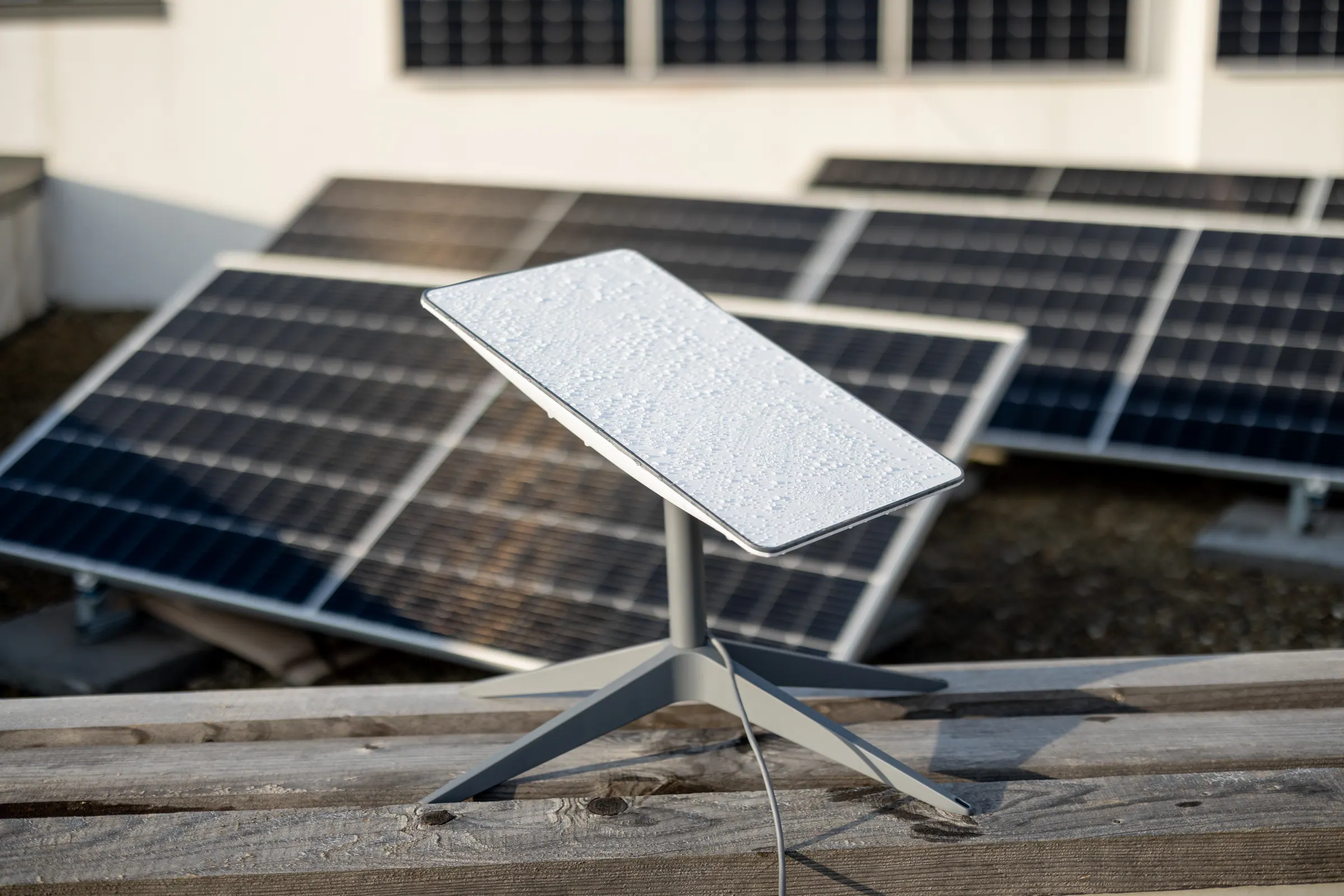
Conversely, modern satellite internet such as Starlink is designed to be more practical. The device consists of an antenna (dish), router, and power cable. After the device is installed in an area with an open sky view and connected to electricity, the connection can be activated immediately. There is no need to dig the ground or wait for additional infrastructure development.
This practicality is very helpful for fast and dynamic needs, such as field projects, new business locations, schools in remote areas, or branch offices that need immediate connectivity. In a relatively short time, users can already enjoy internet access to support digital activities.
With fast installation and minimal complicated technical processes, cable-free internet becomes a more efficient solution for individuals and organizations that need a stable connection without waiting a long time.
Stable for Modern Digital Needs
Satellite internet such as Starlink is designed to support digital activities that need a stable and responsive connection. Today, many work and learning activities are already online-based, from video meetings, cloud system access, document uploads, to streaming and project monitoring. All these activities will run more smoothly if supported by a consistent connection.
The advantage of cable-free internet is seen in its ability to keep the connection stable even when used in locations with limited infrastructure. Relatively low latency and good enough performance make it suitable for business needs, schools, field teams, and individual users who need reliable internet access.
For Starlink implementation and ordering, you can contact Data Lake as a solution partner that helps with the process from consultation to ordering. More information can be sent by email to sales@datalake.id, so you can get a package and recommendation that match your needs.