
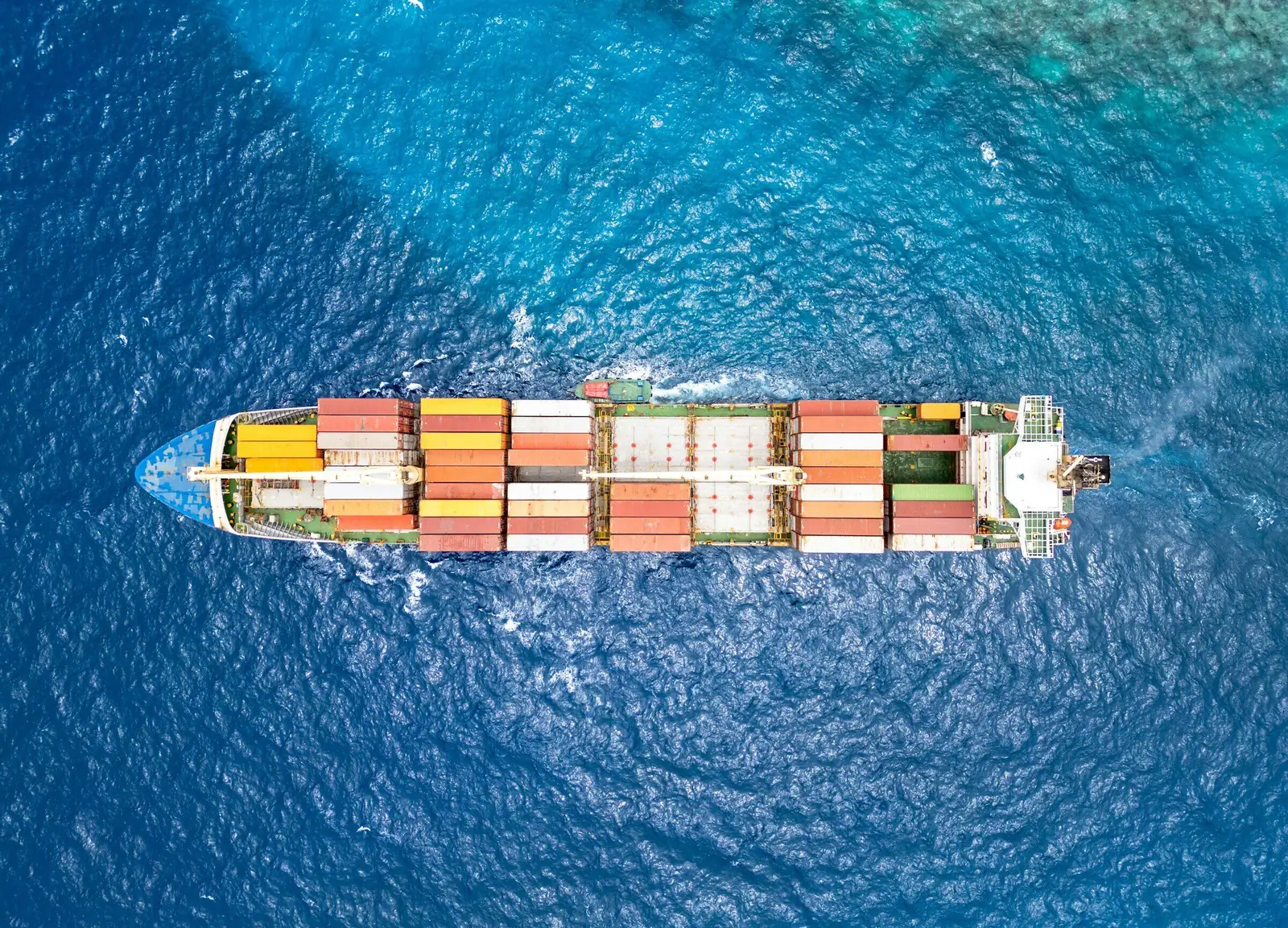
Connectivity Challenges at Sea
Internet connectivity in maritime areas is one of the biggest challenges in modern communication. At sea, ships cannot rely on cellular networks because transmission towers only cover land areas within a limited radius. As a result, internet signals often disappear once a ship moves away from the coast. In addition, extreme weather, the vast geography of the sea, and limited telecommunications infrastructure are major obstacles to creating a stable and fast connection.
For the shipping industry, tourist vessels, and modern fishermen, this limitation is not just an inconvenience, but can directly affect safety, communication, and operational efficiency. Therefore, a solution is needed that can reach remote areas without relying on signal towers on land. This is where satellite internet technology such as Starlink arrives as an answer to connectivity needs at sea.
In addition, environmental factors also worsen the situation. Extreme weather at sea such as storms, strong winds, and high waves can disrupt traditional radio communication systems. Meanwhile, installing fiber optic cables on the seabed to reach shipping routes is inefficient and requires very high costs. Therefore, satellite-based connectivity solutions are the only logical option to ensure internet access remains available wherever ships operate. Internet technology such as Starlink is present as a solution that uses a network of thousands of satellites in low orbit (Low Earth Orbit/LEO). Internet that can reach all sea areas at high speed. As a result, this technology supports connectivity and communication that remain smooth even in the middle of the ocean without land infrastructure.
Fast Internet with Satellite Internet for the Maritime World
Satellite internet has now become a main internet option for connectivity in the maritime sector. This technology allows vessels, whether commercial ships, tourist boats, or research vessels, to remain connected to global networks even when sailing thousands of kilometers from land. By relying on signals from satellites orbiting Earth, satellite internet can provide stable data access and communication in areas that were previously unreachable by fiber optic or cellular networks.
In shipping operations, the role of satellite internet is not limited to communication. This system plays a major role in ship efficiency and safety. For example, ships can monitor engine conditions in real time, receive weather updates, and navigate routes with the latest digital data. This helps captains and crews make quick and accurate decisions, avoid potential hazards, and optimize fuel consumption. In addition, satellite internet also improves crew welfare. During long sea journeys, access to online entertainment, social media, and video communication with family becomes very valuable for maintaining mental health and productivity. In the marine tourism industry, such as cruise ships and yachts, fast internet connectivity even becomes a major attraction for passengers who want to stay online while sailing.
Furthermore, the presence of satellite internet also opens opportunities for digital transformation in the maritime sector. Cloud-based tracking systems, automatic monitoring, and logistics data integration can run efficiently thanks to a reliable connection. Thus, this technology not only delivers convenience, but also becomes the foundation for a more modern, safe, and productive maritime ecosystem.
Starlink Packages for Maritime Needs
Starlink offers various satellite internet packages tailored to user needs, including for the maritime sector. One of the most prominent is Starlink Enterprise Portable, a package designed specifically for ships, both for operational and personal needs. This package uses SpaceX’s low Earth orbit (LEO) satellite network, which offers high speed, low latency, and global coverage, including in the middle of the ocean where conventional networks were previously difficult to reach.
In use, Starlink Enterprise Portable provides download speeds of 80-350 Mbps with upload latency of 8-40 Mbps for up to 100 devices, enough to run heavy applications such as video conferencing, digital navigation, or entertainment streaming. This speed makes crew communication, sending data to shore, and monitoring ship systems run without meaningful disruption. In addition, Starlink’s antenna device, which is resistant to extreme weather, ensures the connection remains stable even when the ship crosses areas with unfriendly sea conditions.
In Indonesia, Data Lake is available as an official distributor so customers can get genuine packages and devices with an easy ordering process and trusted after-sales service. Through Data Lake, users can also get installation guidance according to standards, ensuring the antenna and devices are installed correctly so the connection is not disrupted. Orders can be made through email: sales@datalake.id and Data Lake’s official website.