
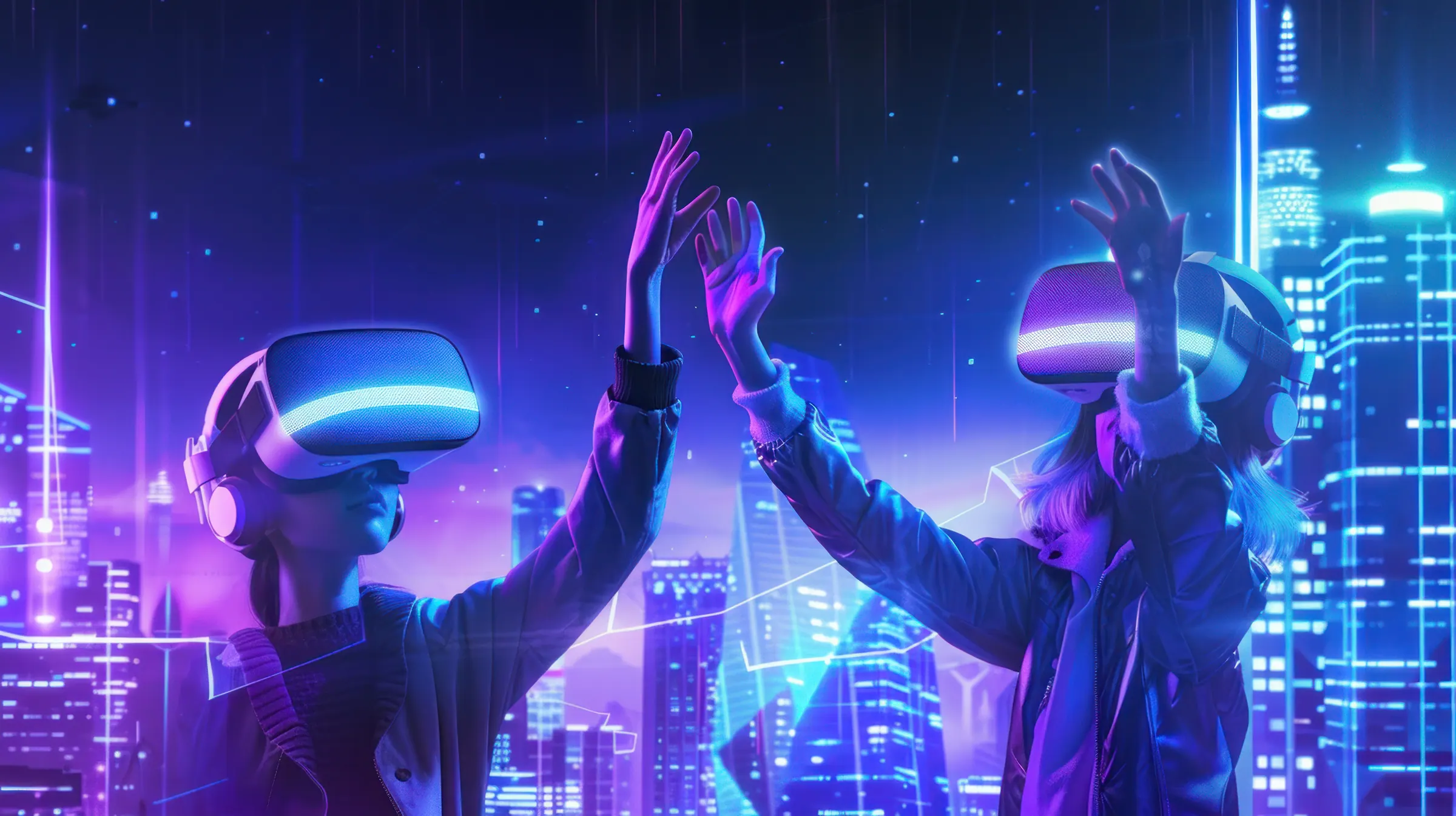
The idea of a digital space where people can interact, work, and carry out activities as if they were physically present is no longer just imagination. This concept is known as the Metaverse—a virtual ecosystem that combines the internet, immersive technologies, and digital environments to create more engaging and interactive experiences.
Understanding the Metaverse and Its Core Concept The Metaverse is a digital virtual space where users can interact, perform activities, and build shared experiences online. In this environment, users are represented by digital avatars and can communicate, work, learn, create, and even conduct transactions—as if they were in the same physical space despite being geographically apart.
Conceptually, the Metaverse is an evolution of the internet. It goes beyond simply displaying information by delivering immersive experiences. The physical and digital worlds are interconnected through technology, making interactions feel more realistic and engaging.
The Metaverse is not limited to a single platform or application. Instead, it is an ecosystem made up of interconnected virtual environments and services. This allows users to move across different digital spaces while maintaining continuity in their experiences.
Another key characteristic of the Metaverse is persistence. The virtual world continues to exist and evolve even when users are offline. Activities, changes, and interactions are continuously recorded, making it more dynamic than traditional games or digital platforms. This persistence positions the Metaverse as a long-term digital environment that can support various needs—from entertainment to professional activities.
Technologies Behind the Metaverse The Metaverse is powered by multiple interconnected technologies. Among the most important are Virtual Reality (VR) and Augmented Reality (AR), which enable immersive visual experiences and interactive environments. These technologies allow users to “enter” virtual spaces and interact with digital elements in a more lifelike way.
In addition, the Metaverse relies on high-speed internet, cloud computing, and artificial intelligence (AI) to ensure performance, scalability, and responsiveness. Blockchain technology is also often used to manage digital ownership and secure transactions within virtual environments.
The integration of these technologies enables the Metaverse to deliver stable, interactive, and continuously evolving digital experiences.
How the Metaverse Works in Daily Life The Metaverse connects users to virtual environments through digital devices and internet networks. Users enter these spaces using avatars and interact with both the environment and other users in real time. Behind the scenes, computing systems, networks, and data infrastructure work together to create seamless and continuous experiences.
Here are some examples of how the Metaverse is applied in everyday life:
- Virtual Meetings and Collaboration Teams can meet in virtual spaces using avatars, enabling discussions, presentations, and collaboration as if they were physically together.
- Education and Training The Metaverse enables interactive learning through virtual classrooms and simulations, such as digital labs or job training environments.
- Entertainment and Virtual Events From online games to virtual concerts and exhibitions, users can attend events and interact with others without being physically present.
- Virtual Shopping Experiences Users can explore virtual stores and view products in 3D before making a purchase, enhancing the overall shopping experience.
- Social Interaction and Communities The Metaverse provides spaces for communities to connect, communicate, and engage in shared activities without geographical limitations. Opportunities and Challenges of the Metaverse The Metaverse offers significant opportunities across various sectors, including business, education, and entertainment. For businesses, it creates new channels for marketing, collaboration, and service innovation. In education, it enables more immersive and practical learning experiences. For individuals, it opens new ways to create, work remotely, and build global communities.
However, the Metaverse also comes with challenges. Digital infrastructure—such as stable internet connectivity and compatible devices—remains a barrier in some regions. Issues related to data security, privacy, and unequal access to technology must also be addressed.
For the Metaverse to grow sustainably, it requires clear regulations, inclusive technological development, and readiness from society to adapt to this evolving digital ecosystem.