
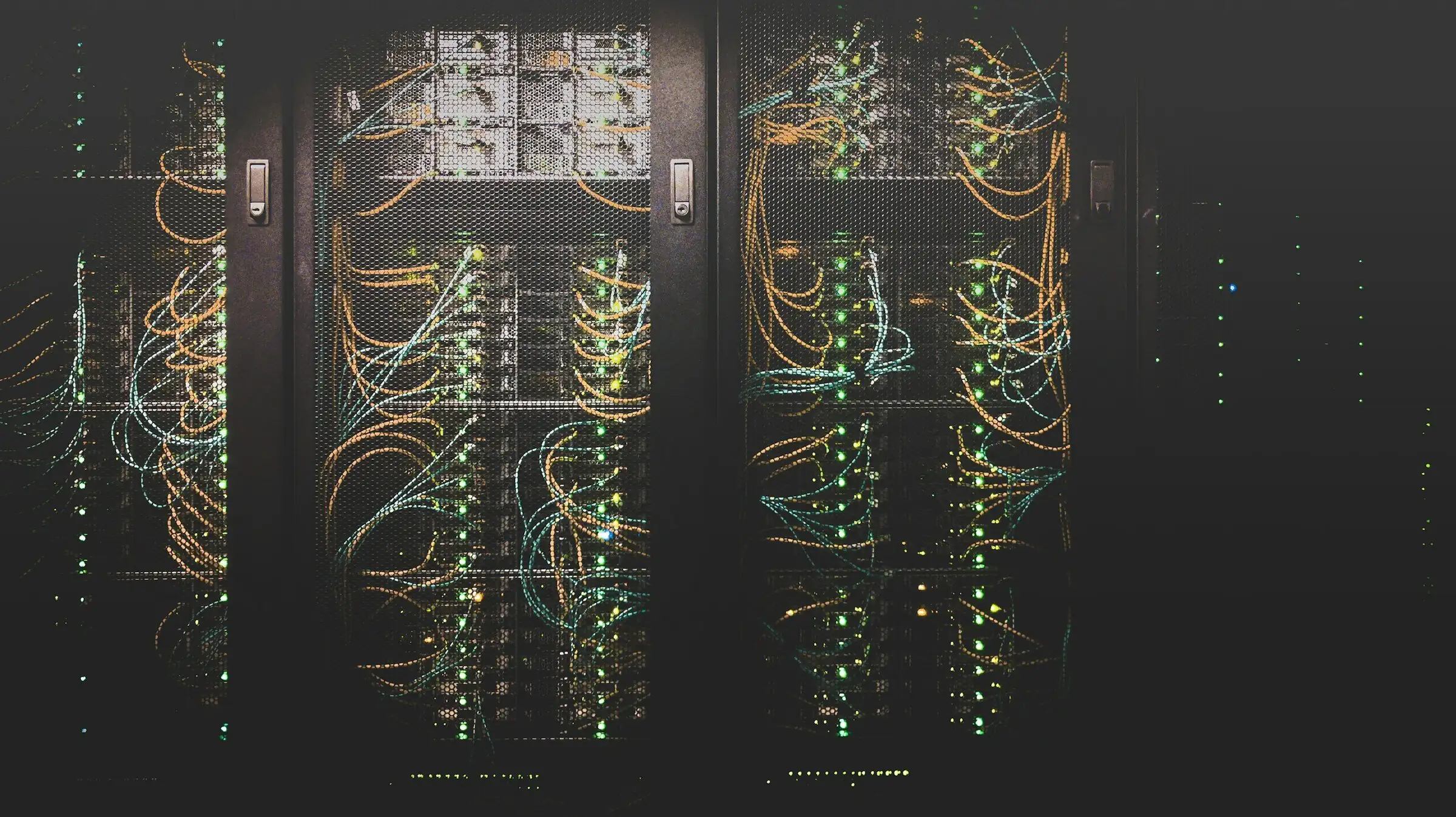
In today’s digital era, almost all activities rely on data and internet-based services, from communication and financial transactions to storing important information. Behind the seamless operation of these services lies a critical infrastructure: the data center. Without data centers, many of the digital services we use daily would not function reliably or securely. Therefore, understanding what a data center is, its functions, and its types is essential—especially for businesses and individuals increasingly dependent on digital technology.
What Is a Data Center?
A data center is a specialized facility used to store, manage, and process large volumes of digital data. Inside a data center are various technological components, such as servers, data storage systems, networking devices, and supporting systems that work in an integrated manner. These facilities are designed to ensure data can be accessed quickly, securely, and continuously, 24/7.
Data centers serve as the backbone of many digital services we use every day, including websites, applications, banking services, social media, and government systems. To operate reliably, data centers are equipped with backup power systems, cooling systems, physical security, and strict network management. With these capabilities, data centers ensure that information remains available, protected, and accessible whenever needed.
Functions of Data Centers in Digital Systems
The primary function of a data center is to act as a central hub for storing, processing, and distributing data used by various digital systems. Within a data center, all critical information—ranging from application data and databases to online services—is centrally managed to ensure fast and secure access. This function makes data centers the operational backbone for companies, government institutions, and digital service providers.
In addition to storage, data centers also ensure service availability and continuity. Through backup power systems, cooling, and layered security, they maintain operations even during technical disruptions. Equally important, data centers play a key role in data protection—both from cyber threats and physical damage—ensuring that sensitive information remains secure and intact. These functions make data centers vital components in supporting modern digital activities, including banking services, communication, e-commerce, and cloud computing.
Types of Data Centers
Data centers can be categorized based on ownership, function, and management model. One of the most common types is the Enterprise Data Center, which is owned and operated by a company to store internal data and support business operations. This type provides full control over security and systems but requires significant investment in construction and maintenance.
Another type is the Colocation Data Center, a facility rented out to multiple companies. In this model, the provider is responsible for physical infrastructure such as power, cooling, and security, while clients manage their own servers and data. Colocation is a popular choice due to its efficiency and flexibility.
There is also the Cloud Data Center, managed by cloud service providers, allowing users to access computing resources via the internet. This type offers high scalability and ease of management, making it widely used by modern businesses.
Lastly, the Edge Data Center is a smaller facility located closer to end users to speed up data processing and reduce latency, especially for real-time digital services.
Examples of Data Center Applications in Daily Life
Data centers play an essential role in many digital activities we use every day, even though their presence often goes unnoticed. Services such as social media, email, banking applications, and online shopping platforms all rely on data centers to store and process user data. Every time someone uploads a photo, completes a financial transaction, or streams content, the data is processed and stored in a data center.
In addition, many companies and government institutions use data centers to manage internal systems, such as employee databases, administrative systems, and digital public services. In the healthcare sector, data centers are used to store electronic medical records, while in education, they support online learning and academic data storage. In short, data centers are the backbone of digital infrastructure, ensuring that technology services operate reliably, securely, and sustainably.